Commercial Kitchen Cleaning Requirements in Toronto: Health Code Guide
It might seem simple, but a restaurant kitchen never stays clean by accident. It stays clean because the same routine is followed every single day, in the same order, without skipping the tasks that can feel optional during a busy service.
This guide walks you through that process step by step, from the moment the last plate leaves the kitchen to the point when your line is ready for the next day’s prep, with weekly and monthly cleaning tasks built into the routine. Ever noticed how small daily habits make the biggest difference?
If you’re looking for the regulatory side, our guide on Toronto’s commercial kitchen cleaning requirements explains DineSafe and fire code rules in detail. This article focuses on the hands-on cleaning process: what to clean, the correct order to follow, and how often each task should be done.
Step 1: Break Down and Clear the Line
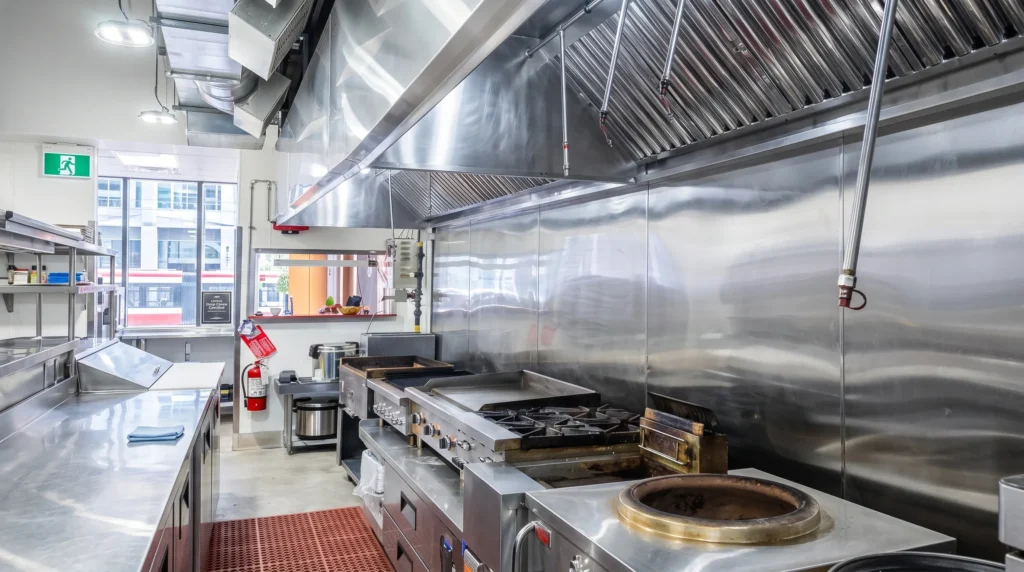
Before any real cleaning begins, we take everything off the cook line first. We move pans, utensils, and any leftover food to the dish pit, then wipe down and store anything that is still good to use the next day. It may seem like a small step, but it saves a lot of time later because we are not trying to clean around unnecessary clutter.
What Dine Safe inspectors check for?
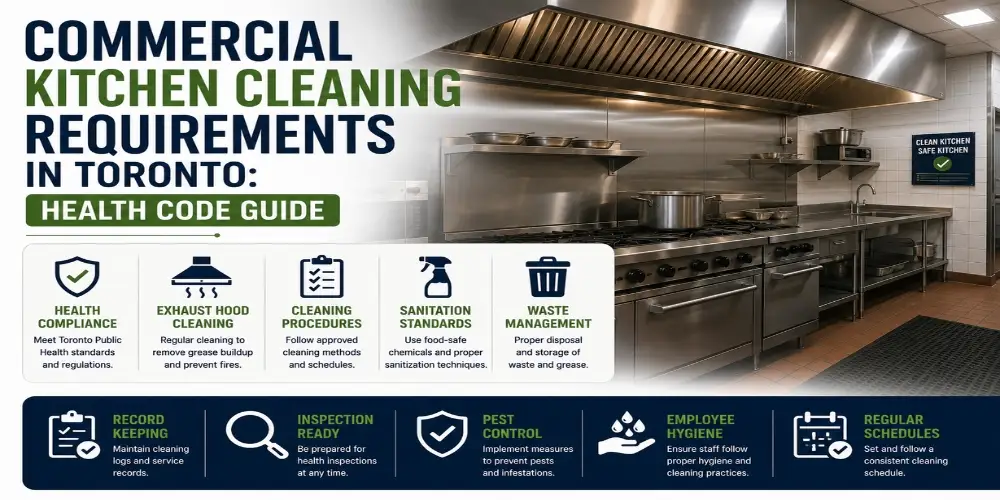
If you have ever looked beyond the front counter, you know the real work happens behind the scenes. DineSafe inspections cover a wide range of areas, but the cleanliness of surfaces and equipment remains at the heart of every inspection. Inspectors check that food contact surfaces are properly cleaned and sanitised, and they may swab surfaces to test them directly.
They examine cutting boards for deep grooves that can trap bacteria, verify sanitiser strength using test strips, and inspect the inside of equipment such as fryers, ovens, slicers, and prep tables, not just the surfaces that are visible from the counter.
Inspection Frequency
If you run a commercial kitchen, how often you get inspected depends on your risk classification. Higher-risk kitchens, such as full-service restaurants or those serving vulnerable populations, are usually inspected two to three times a year, while lower-risk operations may only have one inspection annually.
These visits are unannounced, and the results, whether it’s a pass, conditional pass, or closure, are posted on the public DineSafe website and displayed at your entrance for customers to see. Would your kitchen be ready for a surprise inspection today?
What Happens When You Fail Something
These visits are unannounced, and the results, whether it’s a pass, conditional pass, or closure, are posted on the public DineSafe website and displayed at your entrance for customers to see. Would your kitchen be ready for a surprise inspection today?
Food Handler Certification & Hood Cleaning Requirements
Running a commercial kitchen means meeting both health and fire safety requirements. Understanding certification rules, ventilation standards, and hood cleaning schedules helps reduce risk while keeping your operation compliant.
Certified Food Handlers
At least one certified food handler must be present during every hour of operation. Most experienced operators certify multiple team members to avoid coverage gaps caused by illness, vacations, or scheduling conflicts.
Fire Code Compliance
Commercial cooking equipment must operate with ventilation systems designed to NFPA 96 standards, which are enforced through Ontario fire safety regulations.
How Often Your Hood Needs Cleaning
Cleaning frequency depends on cooking volume and fuel type, not the category of restaurant you operate.
Solid Fuel Kitchens
Wood-fired cooking equipment and other solid-fuel operations require the most frequent cleaning schedule.
High Volume Operations
Busy diners, charbroil restaurants, and wok kitchens generate significant grease accumulation.
Moderate Volume Restaurants
Most sit-down restaurants typically fall within this cleaning frequency range.
Low Volume Kitchens
Small cafés and seasonal operations with minimal grease output may qualify for yearly cleaning.
What a Real Hood Cleaning Should Cover
Proper cleaning extends far beyond visible surfaces.
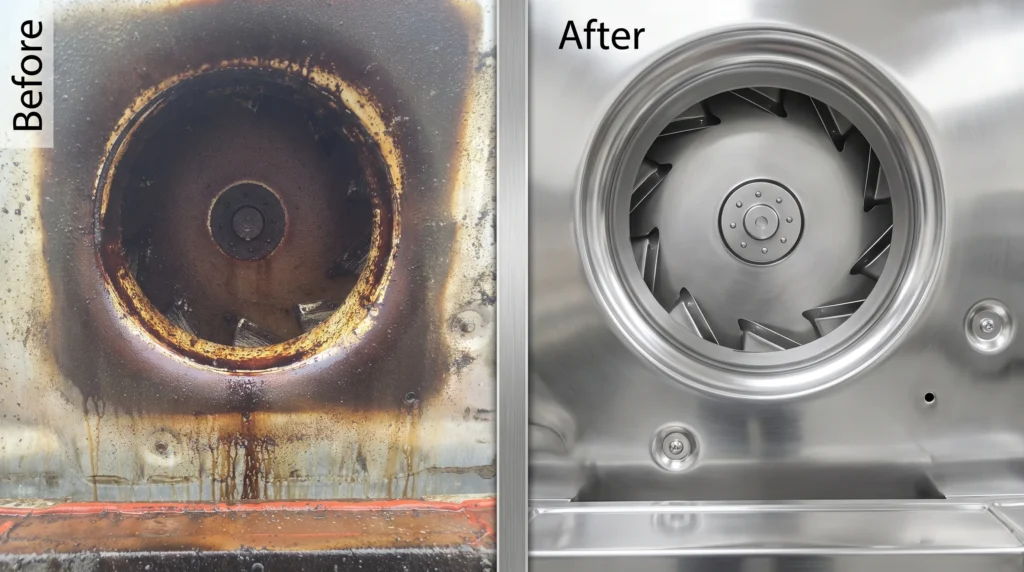
Grease accumulation anywhere in the exhaust path becomes potential fuel for a fire. Professional cleaning should address the entire system rather than only the visible hood.
Keep Your Paperwork on Hand
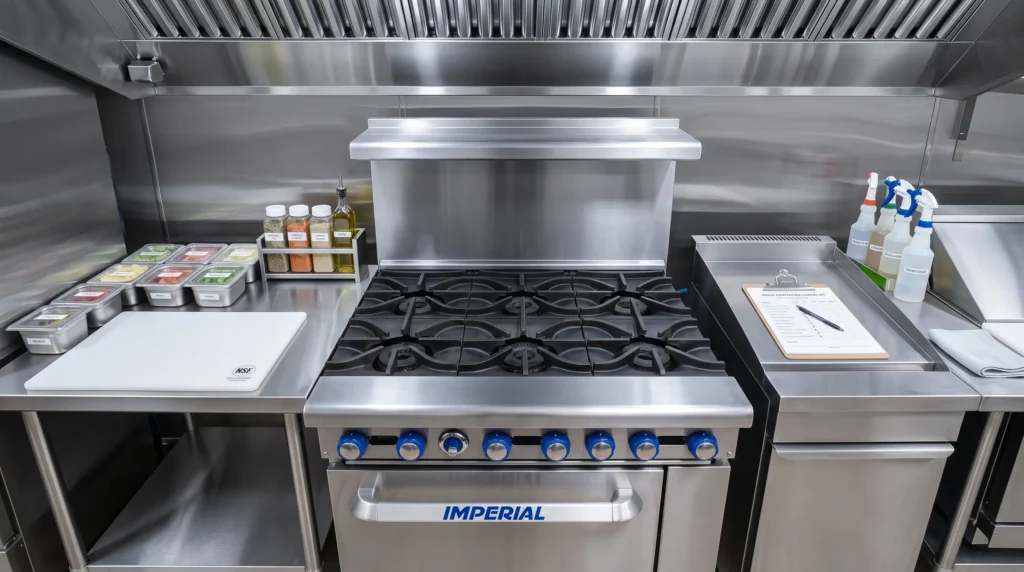
It is important to keep the written report and signed certificate you receive after every cleaning or inspection on file at your location. The report should clearly explain what was cleaned and identify any areas that could not be reached, while the certificate should include the company name, the technician’s name, and the date. Have you ever noticed that these records are usually the first thing a fire inspector or an insurance adjuster asks to see?
The Basics Inspectors Expect to See
We often see the same structural issues come up during Toronto kitchen inspections. You need a dedicated hand sink used only for handwashing, not for rinsing dishes or produce. Your refrigeration must stay below 4 degrees Celsius at all times.
The surfaces throughout your prep and storage areas should be non-absorbent and easy to clean, while your floors and walls need to be smooth, without the gaps or grooves that can trap grease and bacteria over time. It might seem like a small detail, but these basics can make a big difference during an inspection.
A Realistic Cleaning Routine
It is no surprise that operators who consistently pass their DineSafe inspections are not rushing to prepare the night before an inspector arrives. They follow the same reliable routine every single day, and that consistency makes all the difference.
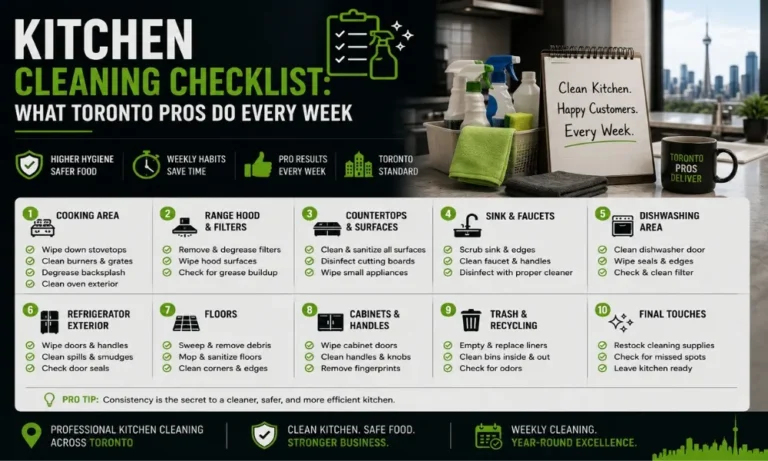
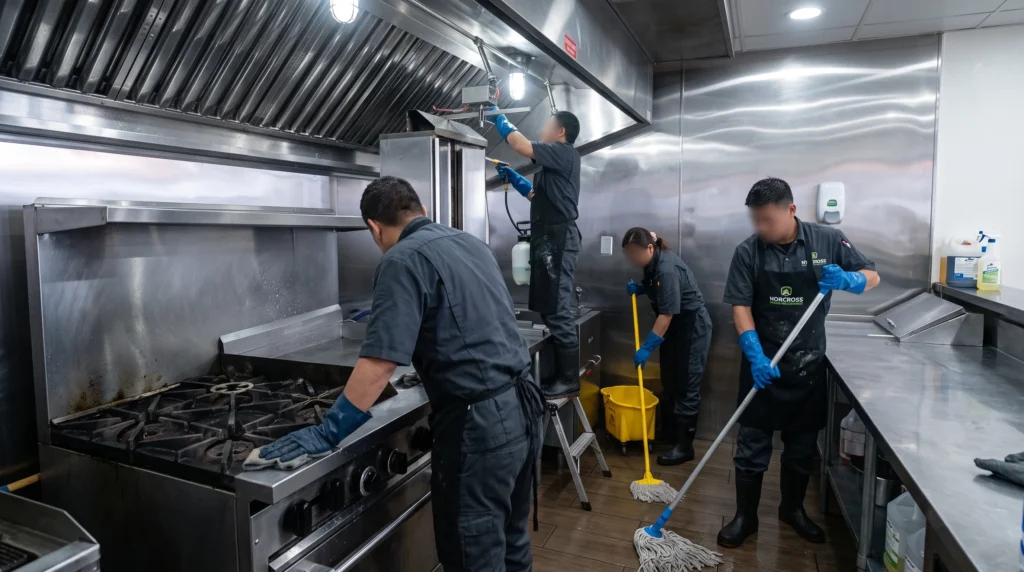
Each closing shift should include cleaning and sanitising every food contact surface and cutting board, emptying and sanitising waste bins, sweeping and mopping floors, including under equipment, and treating floor drains so they do not become a source of pests or unpleasant odours.
Every week, fryers, ovens, and slicers need a thorough deep clean, refrigeration temperatures should be logged, and handwashing stations should be checked and fully restocked.
It is also important to stay on top of the periodic tasks tied to your NFPA 96 schedule, including full hood, duct, fan, and filter cleaning by a certified provider, fire suppression system checks, and regular pest control visits.
Why a Professional Cleaning Program Is Worth It
It is easy to forget that DineSafe inspections happen without notice, and everyone walking past your storefront can see whether you passed. A nightly professional cleaning routine helps your kitchen start every shift with sanitised surfaces, clean floors, and fully stocked washrooms while preventing grease from building up into a violation between your scheduled hood cleanings.
If you operate more than one location across the GTA, whether in Toronto, Mississauga, Brampton, Vaughan, Markham, Scarborough, or Etobicoke, keeping every site consistent is just as important as delivering a thorough clean at each one. A documented, repeatable cleaning schedule protects your DineSafe record and fire code compliance at the same time, and it also saves you time by making expectations clear across every location.
Common Questions
Restaurant owners often have questions about inspections, compliance requirements, hood cleaning obligations, and opening a new food business in Toronto. Here are some of the most common answers.
How often does a Toronto restaurant actually get inspected?
How often does a Toronto restaurant actually get inspected?
Most restaurants are inspected between one and three times per year. The exact frequency depends on whether the operation is classified as low, moderate, or high risk by Toronto Public Health.
What is the difference between a pass, conditional pass, and closure?
What is the difference between a pass, conditional pass, and closure?
A pass indicates no significant health concerns were found. A conditional pass means important infractions were identified and a follow-up inspection is required. A closure occurs when inspectors determine that an immediate health hazard exists.
I only use a stove and oven. Do I still need hood cleaning?
I only use a stove and oven. Do I still need hood cleaning?
Yes. While the cleaning frequency may be lower due to reduced grease production, NFPA 96 ventilation and hood maintenance requirements still apply to commercial cooking operations with exhaust systems.
Who needs to be notified before opening a new food business?
Who needs to be notified before opening a new food business?
Toronto Public Health should be notified before opening a new food establishment so the initial DineSafe inspection can be scheduled and completed.
Staying Ahead of Compliance Issues
Understanding inspection requirements, hood cleaning schedules, and food safety responsibilities helps reduce risk, avoid costly violations, and keep your kitchen operating smoothly year-round.