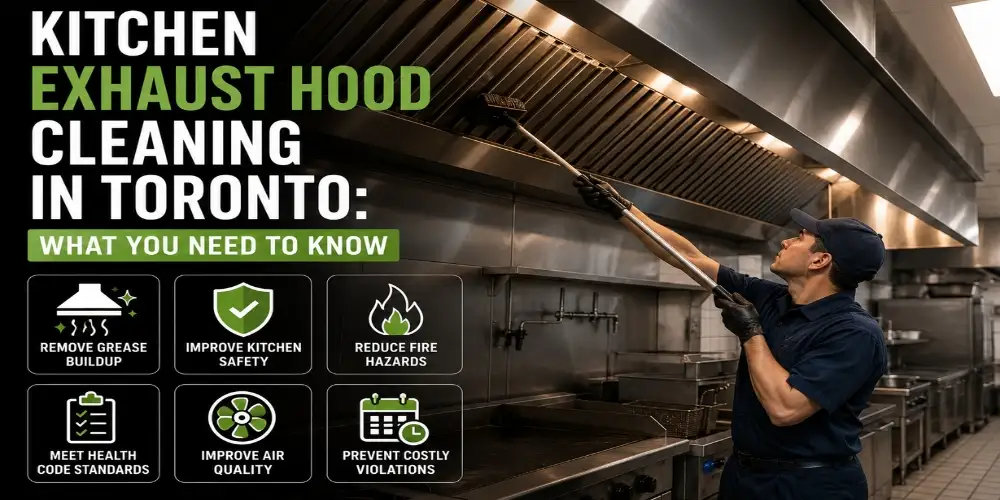
Kitchen Exhaust Hood Cleaning in Toronto: What You Need to Know
It is easy to understand why kitchen exhaust hood cleaning is not always your first priority if you run a restaurant, cafe, or any commercial kitchen in Toronto. Between long hours, tight margins, and countless daily responsibilities, your focus is usually on keeping orders moving, especially during a busy Friday night rush.
But this essential task deserves a higher place on your list because it quietly protects your staff, your building, and everything you have worked so hard to build. Have you ever wondered how much it helps behind the scenes?
Let’s look at why it matters, what the process actually involves, and how often you really need it done if you operate a kitchen anywhere across the Greater Toronto Area.
Why Kitchen Exhaust Hood Cleaning Actually Matters
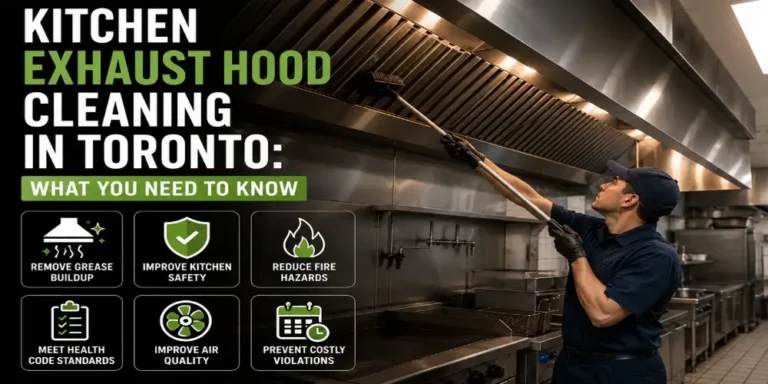
Every time your kitchen fires up the grill or fryer, grease particles rise into the air and settle inside your exhaust hood, ductwork, and fan system. Over weeks and months, that grease builds into a thick, sticky layer that most people never notice because it stays hidden behind the hood.
It is the part that keeps many kitchen owners up at night once they understand it. Grease is highly flammable. A buildup inside your exhaust system is essentially fuel sitting quietly above your cooking line, waiting for a spark or flare-up to turn into something serious. Restaurant fires caused by dirty exhaust systems are unfortunately common, and they are almost always preventable. It is a risk that is easy to overlook until it becomes a real concern.
Beyond the fire risk, there is the health and comfort side too. A clogged exhaust system cannot ventilate properly, which means smoke, heat, and cooking odors linger in your kitchen. Your staff end up working in a hotter, smokier environment than they should have to, and that affects morale, health, and how long people stay in an industry that is already well known for burnout.
Toronto Fire Code Requirements You Cannot Ignore
It is important to know that Toronto Fire Services follows the NFPA 96 standard, the recognized benchmark across Ontario and most of North America for commercial kitchen ventilation. Under this standard, exhaust hoods, ductwork, and fans must be cleaned by a certified professional on a schedule based on the amount of cooking your kitchen handles.
It is generally recommended that high volume kitchens, especially those using solid fuel or producing heavy grease, have their systems cleaned every month. Most standard restaurants follow a quarterly schedule with cleaning every three months. Lower volume operations, such as churches, seasonal kitchens, or small cafes, may only need service once or twice a year.
It is something fire inspectors in Toronto and across the GTA regularly check. If your exhaust system is not cleaned and documented on the proper schedule, you could face fines, failed inspections, and in the worst cases, your insurance provider may deny a claim after a fire because you cannot prove regular maintenance was completed. That can be a heartbreaking situation for any business owner after everything invested in a restaurant.
Toronto Fire Code Requirements You Cannot Ignore
It is something fire inspectors in Toronto and across the GTA regularly check. If your exhaust system is not cleaned and documented on the proper schedule, you could face fines, failed inspections, and in the worst cases, your insurance provider may deny a claim after a fire because you cannot prove regular maintenance was completed. That can be a heartbreaking situation for any business owner after everything invested in a restaurant.
What Professional Cleaning Actually Involves
A professional kitchen exhaust hood cleaning goes far beyond wiping visible surfaces. Certified services clean the entire exhaust system from the hood canopy to the rooftop fan, reducing fire risk and helping maintain compliance.
Hood Canopy & Filters
Filters are removed, degreased, and scrubbed thoroughly. The goal is restoring clean metal surfaces rather than simply reducing visible grease.
Complete Ductwork Cleaning
The entire grease duct system is opened and cleaned throughout its full length, including areas hidden from normal view.
Rooftop Fan Cleaning
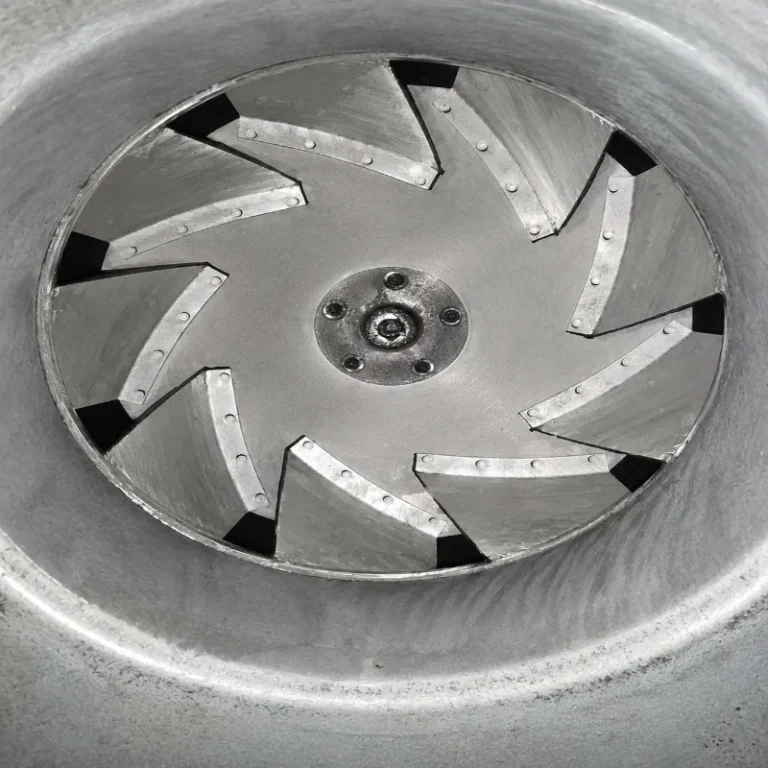
Exhaust fans, fan housings, and blades are cleaned and inspected because grease often accumulates throughout the complete ventilation system.
Documentation & Reporting
Professional providers supply before-and-after photos, certification stickers, and service reports for inspection and compliance records.
What a Real Cleaning Includes
- Hood canopy cleaning
- Baffle filter degreasing
- Full ductwork cleaning
- Rooftop exhaust fan cleaning
- Fan housing inspection
- Service report & certification
- Before & after photo documentation
Warning Signs of an Incomplete Service
- Only visible hood surfaces cleaned
- No duct access or inspection
- Rooftop fan ignored
- No service documentation provided
- No certification sticker issued
- No photographic proof of work
- Grease remains hidden in the system
Surface Cleaning Is Not System Cleaning
If ductwork and rooftop fans are skipped, the most dangerous grease deposits often remain untouched. Professional hood cleaning should address the entire exhaust path, not only the components visible from the kitchen floor.
Choosing a Kitchen Exhaust Cleaning Company in the GTA
It is important to remember that Toronto has no shortage of cleaning companies offering this service, but not all of them are properly trained or insured to do the job. Before hiring anyone, there are a few key things worth checking.
Ask whether their technicians are certified to NFPA 96 standards and whether they carry proper liability insurance, since this work involves climbing onto rooftops and handling commercial equipment. You should also request references from other restaurants in your area, ideally those similar in size and cooking style to yours.
Just as importantly, ask if they provide documentation that can be handed directly to a fire inspector, because that paperwork is what protects you when it matters most. A trustworthy company will answer these questions clearly and confidently. If you notice hesitation or vague responses, it is worth paying attention to, wouldn’t you agree?
Serving Restaurants Across Toronto and the GTA
Whether your kitchen is downtown near King Street, out in Scarborough, up in North York, over in Mississauga, or anywhere else across the Greater Toronto Area, the same fire code rules and safety standards apply. It is never worth falling behind on this kind of maintenance, and a reliable local company will work around your operating hours so the cleaning causes as little disruption to your business as possible, often overnight or early in the morning before service begins.
A Small Task With a Big Impact
It is easy to push exhaust hood cleaning to the bottom of the list when you are managing staff schedules, calling suppliers, and keeping customers happy. But it is one of those quiet responsibilities that helps protect everything else you have worked so hard to build. Your staff deserve a safe place to work.
Your customers deserve a kitchen that is not one bad spark away from disaster. And you deserve the peace of mind that comes from knowing this important part of your business is taken care of properly. After all, who does not appreciate a little extra confidence in the safety of their workplace?
It is important to remember that regular exhaust hood cleaning is not just a fire code requirement. It is a genuine act of care for the people who work in your kitchen every day and for the business you have dedicated so much time and effort to building.